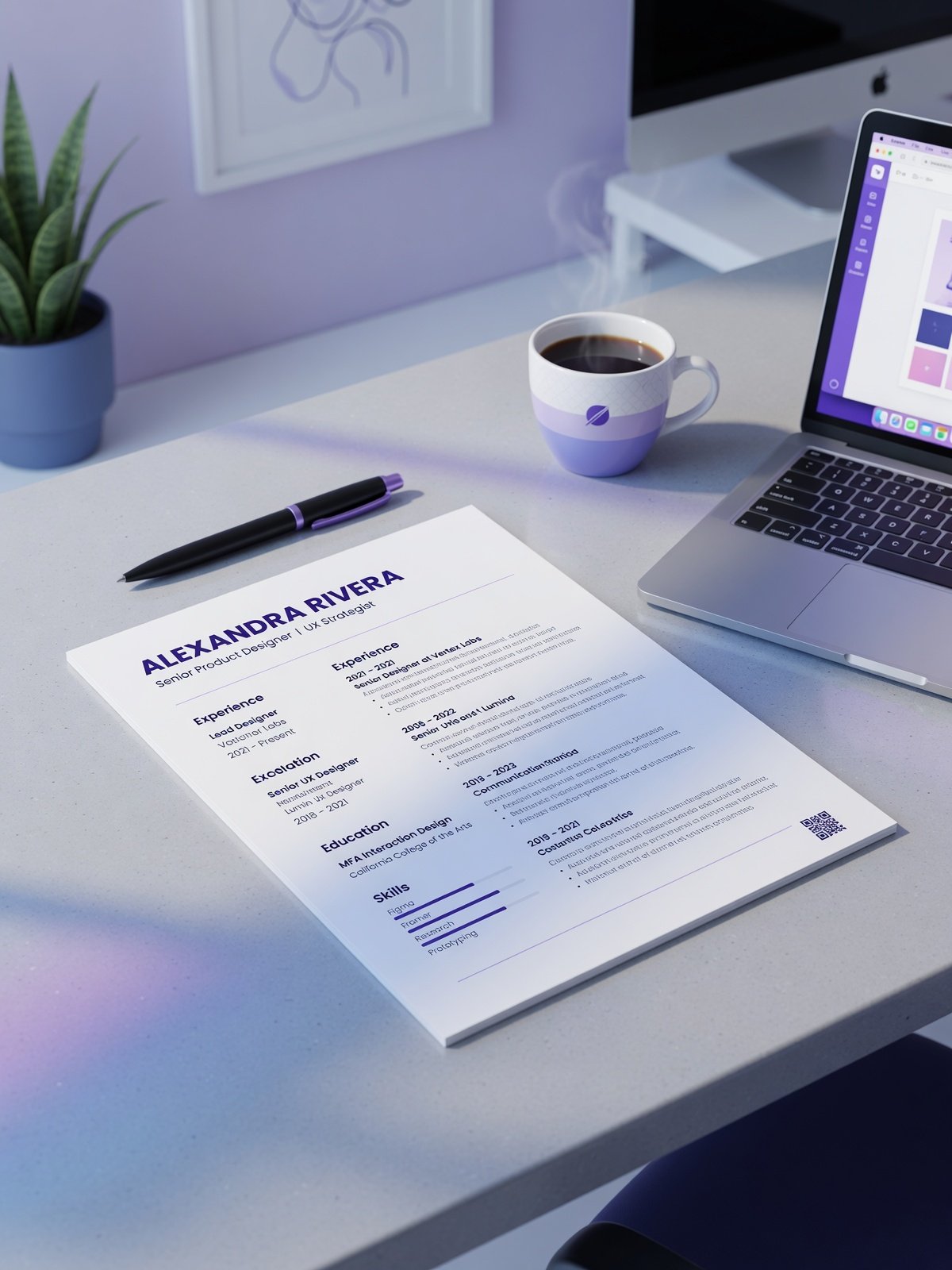
How Canadian resumes are different from Indian resumes
The Canada resume format is more achievement-oriented and minimal than what many Indian applicants are used to. Canadian employers prefer short, tailored resumes that focus on measurable impact, local terminology, and job-specific relevance.
In most Canadian resumes, you should avoid personal information such as age, marital status, religion, passport number, and full family details.
| Element | Canada | Best Practice for Indian Applicants |
|---|---|---|
| Length | 1–2 pages | Keep 1 page if under 5 years, 2 pages if clearly needed |
| Language | English or French depending on role and province | Use native business style, short bullets, clean grammar |
| Photo | Usually not required | Only include if normal in that market or role |
| Focus | Achievements, soft skills, and relevance to role | Tailor every section to the exact job description |
| File Name | Professional naming convention | Use YourName-Role-Country.pdf |
| Cover Letter | Often expected | Prepare a matching cover letter and LinkedIn profile |
Must-have sections in a Canadian resume
1. Contact information with city, province, phone, email, LinkedIn.
2. Professional summary tailored to the job posting.
3. Work experience with quantified achievements.
4. Education with degree and institution.
5. Skills aligned with the role and local keywords.
6. Certifications, volunteer work, and projects if relevant.
Tips for Indian students applying in Canada
Translate your experience into Canadian business language. For example, “coordinated”, “supported”, “delivered”, and “improved” are powerful verbs.
Emphasize customer service, teamwork, communication, and adaptability—these are valued strongly in Canadian hiring.
Use volunteer work, assistantships, part-time jobs, and campus roles if you are a student or new immigrant.
Keep formatting clean and ATS-friendly. Avoid text boxes, icons, and unnecessary color blocks.